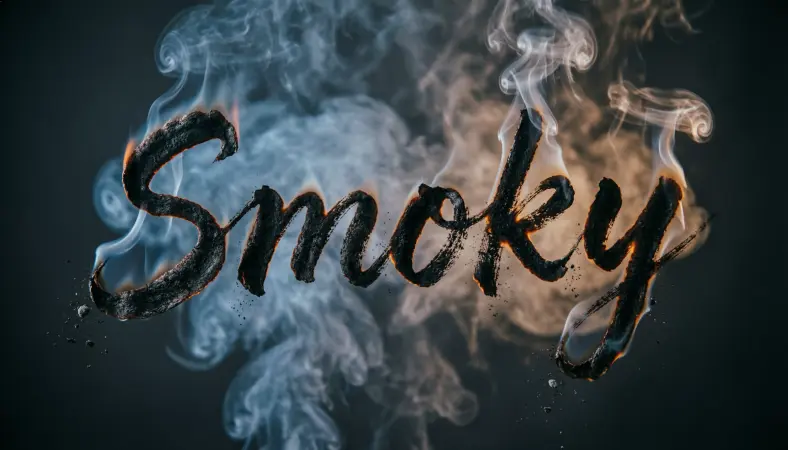
Confused about whether to use Smoky or Smokey? You’re not alone this is a common question that trips up even experienced writers. Both words sound almost identical, but they have slightly different meanings and uses.
Smoky usually describes something filled with smoke, like a smoky room or smoky flavor, while Smokey is often used as a name or nickname, like Smokey the Bear. Choosing the right word can make your writing clearer and more accurate.
Understanding the difference is easier than you think once you know the context. In this guide, we’ll break it down with simple examples and tips. By the end, you’ll never second-guess it’s Smoky or Smokey again.
Quick Answer:
Use “smoky” for describing something filled with smoke (correct and standard). “Smokey” is mostly used in names, brands, or proper nouns.
Smokey or Smoky UK
| Word | Meaning | Usage |
|---|---|---|
| Smoky | Filled with smoke or having the smell of smoke | Standard and correct English |
| Smokey | Informal or stylistic spelling, often used in names or branding | Not standard in formal writing |
“Smoky” is the correct and standard English spelling. It is used to describe something that contains smoke or has a smoky smell, such as a smoky room or smoky atmosphere. “Smokey” is an informal variation and is mostly used in names, brands, or casual writing rather than formal English.
Smoky or Smokey UK
| Situation | Correct Word | Example |
|---|---|---|
| General English writing | Smoky | smoky air, smoky sky |
| Brand or informal names | Smokey | Smokey Joe’s BBQ |
In UK English, “smoky” is the correct and preferred spelling in most situations. It is used in academic, professional, and everyday writing. “Smokey” is not considered standard spelling in formal English and is mainly used for creative or branding purposes.
What Does “Smoky” Mean?
Smoky (with a “y”) is an adjective used to describe:
- Something full of or producing smoke
- A taste, smell, or appearance reminiscent of smoke
Examples:
- The kitchen smelled smoky after I burnt the toast. 🍞
- She loves smoky flavors in her barbecue sauce.
- The mountain air was smoky because of the forest fires. 🌲🔥
Key tip: If you’re describing smoke itself or its effect, always use smoky.
What About “Smokey”?
Smokey (with an “e”) is not usually used in general writing. It appears in:
- Proper nouns
- Names of people, pets, or brands
- Titles or characters
Examples:
- Smokey Bear is the famous forest fire prevention mascot. 🐻
- My friend has a dog named Smokey.
- I bought a Smokey candle from the store.
Key tip: If it’s a name, you can often spell it “Smokey,” but don’t use it for normal adjectives.
Smoky vs Smokey: Quick Comparison Table
| Feature | Smoky | Smokey |
| Meaning | Full of smoke; having smoke-like appearance, taste, or smell | Proper noun; name; brand; mascot |
| Usage | General writing, descriptive text | Names, brands, or titles |
| Example 1 | The room was smoky after the candle burned out. | Smokey Bear teaches kids about fire safety. |
| Example 2 | She added a smoky flavor to the soup. | My cat is named Smokey. |
| Common Mistake | Using “smokey” when describing smoke | Using “smoky” for names |
Smoky Spelling
The correct spelling is S M O K Y. It is an adjective used to describe something that contains or looks like smoke.
For example: smoky flavor, smoky room, smoky sky. This spelling is accepted in both British and American English.
Smoky atau Smokey
“Smoky” is the correct standard English spelling. “Smokey” is generally considered informal or non-standard and is often used in names or stylistic branding.
In formal English writing, especially academic or professional content, “smoky” should always be used.
Smokey or Smoky
“Smoky” is the correct and widely accepted spelling in English. It is used in formal writing and everyday communication.
“Smokey” is only used in informal contexts, names, or creative expressions. If you are unsure, always choose “smoky” as the correct option.
Tips to Remember the Difference
Here’s a simple mnemonic to help you remember:
- Smoky = Smoke your words (describes smoke)
- Smokey = Extra letter for Exceptional names (like Bear or brand)
Another trick: If it’s a common adjective, drop the “e” → smoky. If it’s a proper name, add the “e” → Smokey.
Real-Life Examples
Emails & Social Media
- ✅ “The BBQ was amazing; the meat had a smoky flavor.”
- ❌ “The BBQ was amazing; the meat had a smokey flavor.” (Incorrect unless it’s a product name)
News & Articles
- ✅ “A smoky haze covered the city due to wildfires.”
- ❌ “A smokey haze covered the city.” (Incorrect in standard English)
Academic Writing
- ✅ “The smoky aroma of the chemical experiment filled the lab.”
- ❌ “The smokey aroma of the chemical experiment…”
Common Mistakes
- Spelling confusion: People often add an unnecessary “e” → smokey.
- Misusing names and adjectives: Writing smoky Bear instead of Smokey Bear.
- Overgeneralizing: Thinking “smokey” is just a fancy version of “smoky.”
Pro Tip: When in doubt, check if it’s a general description (smoky) or a name (Smokey).
Regional Notes: British vs American English
- American English: Both “smoky” and “Smokey” are used exactly as described above.
- British English: Same rule applies; “smoky” is standard. “Smokey” is rarely used except in names.
Smoky vs Smokey Usage Examples Table
| Context | Correct Word | Example Sentence |
| BBQ or food | Smoky | The sauce had a smoky flavor. |
| Fire or smoke | Smoky | The room was filled with smoky haze. |
| Pet name | Smokey | My dog’s name is Smokey. |
| Brand or product | Smokey | I bought a Smokey candle. |
| Nature | Smoky | The mountain peaks were smoky in the morning |
FAQs (People Also Ask)
1. Can I use “smokey” instead of “smoky” in sentences?
No, “smokey” is reserved for names, brands, or titles. For general descriptions, always use “smoky.”
2. Why is Smokey Bear spelled with an “e”?
It’s a proper noun and a trademarked name, which is why it’s spelled “Smokey.”
3. Is “smoky” American or British English?
It’s used in both, and the meaning is the same.
4. Can “smoky” describe taste?
Yes! You can say, “This sauce has a smoky flavor.”
5. Is there a rule to remember the spelling?
Yes, adjective = smoky, name/proper noun = Smokey.
6. Are there other words like this?
Yes! Example: “gray/grey” (American vs British), “aluminum/aluminium.”
7. Can “smokey” be used in creative writing?
Only if you are intentionally naming a character, product, or brand. Otherwise, stick to “smoky.”
Conclusion
In summary:
- Smoky ✅ → general adjective for smoke, taste, smell, or appearance
- Smokey ✅ → proper nouns, names, brands, or titles
- Mnemonic Tip: Adjective = y, Name = ey
- British vs American English: Same rules apply
By following these simple rules, you can avoid common mistakes and sound confident in your writing. ✍️
Also Read More Articles
Summarize or Summarise: Meaning, Usage & Rules for 2026
Lots or Lot’s: Common English Mistake Explained for 2026
Affend or Offend: Understanding Proper English Usage for 2026
Pliers or Plyers: Understanding the Right Word in English 2026