Confused between Drier or Dryer and not sure which one to use? You’re not alone this small spelling difference creates big confusion for many people. I’ve been there too, stopping mid sentence and wondering which word actually fits.
English can be tricky, especially when two words look almost the same but have different meanings. Using the wrong one can change the meaning of your sentence completely.
That’s why understanding the difference really matters. In this guide, I’ll break it down in a simple and clear way.
So you’ll never feel unsure about using drier or dryer again.
Quick Answer:
- Drier = comparative form of dry (less wet).
- Dryer = a device or tool that dries things (like clothes or hair).
Let’s explore these words in detail and see how to use them correctly in everyday English.
What Does “Drier” Mean? 🌵
Definition:
“Drier” is the comparative form of the adjective “dry”. We use it to compare the level of dryness between two or more things.
Examples:
- The desert is drier than the rainforest.
- My skin feels drier in winter.
- This towel is drier than that one.
Tips for Using “Drier”:
- Always used as a comparative adjective.
- Can describe clothes, air, soil, food, or skin.
- Often appears in weather reports, scientific descriptions, and everyday comparisons.
Example Sentences:
- After the heater was turned on, the room became noticeably drier.
- The summer months are drier in California than in Florida.
- Your lips will get drier if you forget to apply lip balm.
What Does “Dryer” Mean? 🌀
Definition:
“Dryer” is a noun. It refers to a machine, tool, or device that removes moisture from something.
Examples:
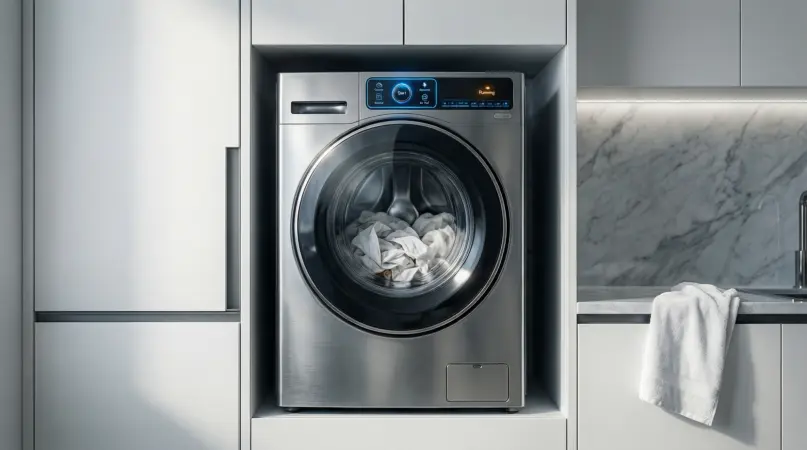
- I need to put my clothes in the dryer.
- She bought a new hair dryer for her bathroom.
- Industrial dryers are used to dry grains and powders.
Tips for Using “Dryer”:
- Always a thing/person that performs drying.
- Can describe appliances, tools, or industrial equipment.
- Common collocations: clothes dryer, hair dryer, hand dryer.
Example Sentences:
- Please don’t forget to clean the lint trap in the dryer.
- The airport installed a new hand dryer in the restroom.
- Factories often use large dryers to process food products.
Drier vs Dryer: Side-by-Side Comparison Table 🔍
| Feature | Drier | Dryer |
| Part of Speech | Adjective (comparative) | Noun |
| Meaning | More dry / less wet | A device or tool that dries |
| Usage Example 1 | The climate is drier this year. | Put your socks in the dryer. |
| Usage Example 2 | My hands feel drier after washing. | She bought a new hair dryer. |
| Common Contexts | Weather, skin, soil, food | Household appliances, tools, industrial equipment |
Common Mistakes and How to Avoid Them ❌
Many people mistakenly write:
- “My hair is drier now because of the dryer.” ✅ Correct
- “I put the clothes in the drier.” ❌ Incorrect
Memory Trick:
Think of -er as “comparative” → drier = more dry.
Think of -er as “machine or person” → dryer = device that dries.
💡 Mnemonic:
- Drier = Describing dryness
- Dryer = Device that dries
Real Life Examples
Emails and Social Media
- “The air in my apartment is getting drier because of the heater.”
- “Just bought a new dryer, and it dries clothes in 30 minutes!”
News Headlines
- “Farmers worry as the region experiences drier than usual conditions.”
- “Tech companies unveil a more energy-efficient clothes dryer.”
Academic Writing
- “Soil samples from the plateau were drier than those from the valley.”
- “Industrial dryers play a key role in reducing moisture content in raw materials.”
Everyday Speech
- “This towel is much drier than that one.”
- “Can you turn on the dryer? My clothes are still wet.”
British vs American English Notes 🌎
- Both British and American English use drier as the comparative form of dry.
- Dryer is used in both varieties, but in the UK, “tumble dryer” is more common than just “dryer.”
- Hair dryer usage is universal in both regions.
FAQs: People Also Ask ❓
1. Can I say “dryer skin” instead of “drier skin”?
- No. “Dryer” refers to a device, not the condition. Correct: drier skin.
2. Is “drier” only used for weather?
- No. You can use it for skin, clothes, soil, food, or any object that can lose moisture.
3. How do I remember the difference between drier and dryer?
- Use this trick: drier = description, dryer = device.
4. Can “dryer” refer to a person?
- Rarely, but it can in historical or industrial contexts (e.g., a person operating a dryer).
5. Is “dryer” spelled differently in British English?
- No, spelling is the same. UK often says tumble dryer instead of just dryer.
6. Can I use “drier” and “dryer” in the same sentence?
- Yes, but carefully: “The air is drier because I turned on the dryer.”
7. Are there other words similar to this confusion?
- Yes, words like “advice vs advise” or “loose vs lose” often confuse learners.
Conclusion 🌟
Understanding drier vs dryer is simple once you remember:
- Drier = more dry (adjective/comparative).
- Dryer = machine or tool that removes moisture (noun).
With this knowledge, you can confidently write emails, social media posts, academic papers, or even casual messages without worrying about spelling mistakes. ✅
Remember the mnemonic: Drier = describing dryness, Dryer = device that dries. Use it, and you’ll never mix them up again!