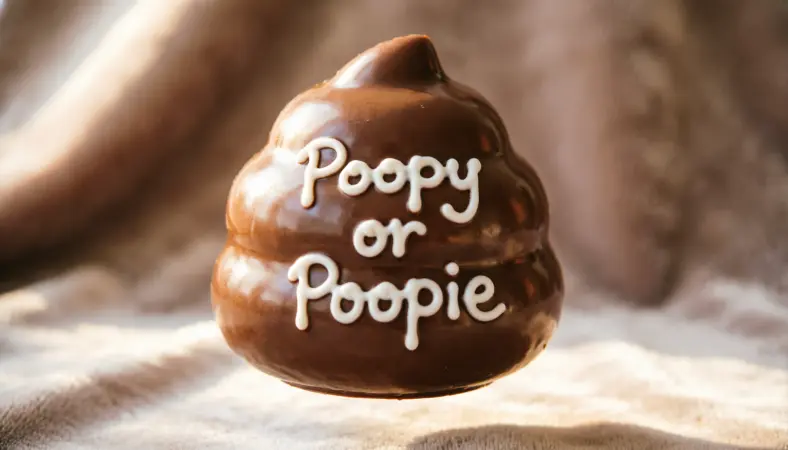
Have you ever wondered whether it’s Poopy or Poopie? You’re not alone this little word often confuses people, especially when typing messages or joking with friends. While both sound cute and funny, choosing the right spelling can make a difference in clarity and tone.
I’ve seen people mix them up all the time, wondering which one is “correct” or just sounds better.You’re talking about babies, pets, or just being silly, knowing the difference helps you express yourself more accurately.
In this guide, we’ll break down Poopy or Poopie, explore their proper usage, and share tips so you never have to guess again. By the end, you’ll confidently know which one fits your context perfectly.
✅ Quick Answer:
“Poopy” is the standard and correct spelling in English.
“Poopie” is a less common, informal, or playful variation.
Now let’s break it down in a fun, simple way so you never mix them up again! 😊
Poopie or Poopy: Which Spelling Is Correct?
Poopie and poopy are both informal words related to poop, but poopy is the more commonly accepted and widely used spelling in everyday English. It is often used by children or in casual conversations to describe something that has poop on it or to refer to something unpleasant in a playful way. Poopie is a less common alternative spelling and is mainly used as a cute or childlike variation.
Poopie vs Poopy Comparison Table
| Feature | Poopie | Poopy |
|---|---|---|
| Correctness | Less common but acceptable | More common and widely used |
| Usage | Cute, playful, or baby talk | Casual speech and children’s language |
| Meaning | Related to poop or a childish nickname | Having poop on something or describing something unpleasant |
| Popularity | Rare | Very popular |
| Best Choice | Use only for a cute style | Best choice for everyday writing |
What Does “Poopy” Mean? 💩
Definition of Poopy
Poopy is an informal adjective derived from the word poop. It is commonly used in:
- Casual conversations
- Parenting language
- Child-friendly speech
- Playful or humorous contexts
It usually means:
- Covered in poop
- Smelling like poop
- Related to bowel movements
- Sometimes used jokingly to describe something unpleasant
Example Sentences Using “Poopy”
Here are some clear examples of correct usage:
- The baby needs a diaper change; he’s poopy.
- Watch your step that’s a poopy diaper.
- My dog had a poopy accident on the carpet.
- Eww, that smells poopy!
- She made a silly face and said, “That’s so poopy!”
Notice how all of these examples are informal and conversational. You wouldn’t use this word in academic writing or professional emails.
How Do You Spell Poopy?
Poopy is spelled P-O-O-P-Y. It is a simple English word commonly used by children or in informal conversations. The word comes from poop, which refers to waste from the body.
Adding the letter “y” makes it sound more playful or descriptive.
Is Poopy a Word?
Yes, poopy is a real word in English and is recognized in many dictionaries. It is mainly an informal or childish term related to poop. People often use it to describe something dirty, unpleasant, or connected to bodily waste.
What Does Poopy Mean?
Poopy means something that contains, resembles, or is associated with poop (feces).In a humorous sense, people may use poopy to describe something annoying, silly, or of poor quality.
The word carries a playful and informal tone. Its meaning depends on the context in which it is used.
What About “Poopie”? 🤔
Is “Poopie” a Real Word?
Technically, “poopie” is not the standard spelling in English dictionaries.
- Baby talk
- Cute nicknames
- Text messages
- Social media posts
- Playful writing
It’s considered a non-standard or alternative spelling of “poopy.”
Example Sentences Using “Poopie”
- The baby made a poopie in her diaper.
- Uh-oh! Time to clean the poopie.
- Mommy, I did a poopie!
In most cases, “poopie” is used as a noun, while “poopy” is often used as an adjective.
👉 If you want correct spelling according to standard English usage, choose “poopy.”
Poopy vs Poopie: Side-by-Side Comparison Table 📊
| Feature | Poopy | Poopie |
| Standard English Spelling | ✅ Yes | ❌ No |
| Part of Speech | Adjective (mostly) | Noun (informal) |
| Dictionary Recognition | Yes | Rarely |
| Used in Baby Talk | Yes | Yes |
| Used in Formal Writing | No | No |
| Example | “That diaper is poopy.” | “He did a poopie.” |
Why Do People Confuse Poopy and Poopie? 🤷♀️
This confusion happens because:
- English has many “-y” and “-ie” endings.
- Baby talk often uses “ie” to sound cuter (like “doggie” or “sweetie”).
- Autocorrect sometimes changes the spelling.
- Both look similar when typed quickly.
This is a classic example of common spelling mistakes in informal English.
Grammar Tips: Understanding the -Y vs -IE Ending 📘
In English grammar:
- Words ending in -y often form adjectives.
- Words ending in -ie often appear in diminutive or affectionate forms.
Examples
| Base Word | Adjective (-y) | Cute Form (-ie) |
| Sleep | Sleepy | Sleepie (rare) |
| Dirt | Dirty | — |
| Dog | Doggy | Doggie |
| Sweet | Sweet | Sweetie |
Common Mistakes and How to Avoid Them ❌
1: Using “Poopie” in Formal Writing
Incorrect:
The child had a poopie accident at school.
Better:
The child had a bathroom accident at school.
Remember: Words like poopy and poopie are informal.
2: Thinking Both Spellings Are Equally Correct
- ✔️ Poopy = Correct spelling
- ❌ Poopie = Informal variation
Memory Trick to Remember the Correct Spelling 🧠✨
Here’s a simple mnemonic:
👉 “Y is for the real word.”
Think of other adjectives:
- Funny
- Happy
- Silly
- Messy
- Poopy
They all end in -y, not -ie.
Real Life Usage Examples 📱💬
Social Media
- “Baby had a #poopy diaper again 😅”
- “My dog stepped in something poopy!”
You’ll notice poopy appears more often.
Parenting Blogs
Most parenting websites use:
- “Signs your baby has a poopy diaper”
- “How to clean poopy clothes safely”
Rarely will you see “poopie” in professional parenting content.
Text Messages
Casual texting might include:
- “BRB, baby did a poopie!”
- “Ugh, poopy mess everywhere.”
Is There a British vs American English Difference?
Unlike words such as:
- Colour vs Color
- Organised vs Organized
There is no major regional difference between British and American English for this word.
Both regions prefer:
✔️ Poopy
“Poopie” remains informal in both dialects.
Keyword Insights & Usage Trends 🔍
From a language perspective:
- Poopy is searched more frequently.
- It appears more often in parenting content.
- It aligns with English spelling conventions.
- It is recognized in more dictionaries.
This makes poopy the better choice for SEO, grammar tips, and correct spelling discussions.
When Should You Avoid Both Words? 🚫
Instead, use:
- Bowel movement
- Soiled
- Dirty
- Bathroom accident
- Fecal matter (medical context)
For example:
Formal Email:
The child had a bathroom accident and requires a change of clothes.
Academic Writing:
The patient experienced an involuntary bowel movement.
People Also Ask (FAQs) ❓
1. Is poopie a real word?
Not in standard English dictionaries. It’s considered an informal or playful spelling.
2. Which is correct: poopy or poopie?
Poopy is the correct and standard spelling.
3. Is poopie wrong?
It’s not “wrong” in casual conversation, but it’s not the correct spelling for formal English.
4. Is poopy a bad word?
No. It’s informal and child-friendly, but it’s not appropriate for professional settings.
5. Can I use poopie in text messages?
Yes, in casual texting. Just remember it’s informal.
6. Why do parents say poopie?
Because the -ie ending sounds cuter and softer, which fits baby talk patterns.
7. Is poopy used as a noun or adjective?
Mostly an adjective:
- “poopy diaper”
Sometimes a noun in informal speech:
- “That’s a big poopy!”
Final Thoughts: Poopy or Poopie? 🎯
Let’s summarize clearly:
- ✅ Poopy = Correct spelling in standard English
- ❌ Poopie = Informal, playful variation
- Both are casual words
- Neither belongs in professional writing
If you’re writing a blog, article, or anything focused on proper English usage, stick with poopy.
👉 Y = Yes, that’s the correct spelling!
Now you’ll never hesitate again when typing this word 😊
Read More Articles
Time Flies or Time Flys Meaning, Usage, and Examples for 2026
In Regard vs In Regards Meaning, Grammar, and Usage 2026
Memento vs Momento: Definition, Meaning, and Examples for 2026
Naive vs Nieve Meaning, Spelling, and Examples Explained for 2026